

What NFT Renting Actually Is

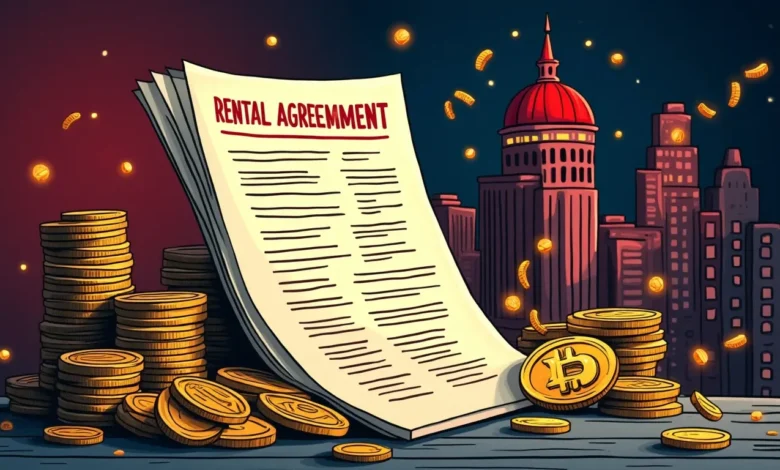
NFT renting allows you to earn income from gaming assets, virtual land, or membership passes during periods when you are not actively using them. The renter gains temporary utility without purchasing the NFT outright. You receive rental fees in return.
Rental income can range from 1% to 10% of the NFT’s value per month, depending on demand and utility. That rate matters only if rental demand exists for the specific NFT category.
Gaming NFTs now account for 38% of all NFT transaction volume. Gaming NFT transaction counts grew 140% year-over-year, the only sub-category showing utility-driven expansion. Persistent virtual worlds such as Decentraland and The Sandbox logged 18 million unique wallet connections in 2025, a 34% rise over 2024.
The rental market is far smaller than general NFT trading. Many older rental startups have gone quiet. The stronger options today are either ecosystem-native rental markets embedded in game and metaverse platforms or rental protocols that projects can integrate into their own apps.
Which NFT Categories Have Demonstrated Rental Demand

If the NFT does not unlock gameplay, virtual land publishing, token-gated access, event access, or commercial rights, rental demand may be minimal or nonexistent.
Gaming Assets
Players rent premium play-to-earn assets to access higher-level gameplay without purchasing expensive NFTs permanently. A player rents a rare NFT character in Axie Infinity to participate in tournaments. The owner earns rental fees while not actively playing.
Gaming NFTs often provide the highest rental yields, especially those with proven earning potential in play-to-earn games. The NFT gaming market is projected to grow from $7.63 billion in 2026 to $45.88 billion by 2034, exhibiting a CAGR of 25.14%.
Virtual Land
People rent metaverse real estate short term for holding events, starting a business, advertising, and delivering virtual experiences. A brand rents virtual land in The Sandbox to host a product launch or virtual event for a limited time. Metaverse land parcels command premium rental rates due to their utility in virtual world experiences.
Membership Passes
Brands and communities offer temporary entry to exclusive communities, digital memberships, VIP events, and premium online experiences through NFT rentals. A user rents an NFT pass to access a premium DAO community or an exclusive online event for one month.
Pure art and profile-picture NFTs lack rental viability. They do not provide measurable utility to a temporary holder.
Collateralized vs. Collateral-Free Rental Models

NFT lending and renting come in two forms: collateralized and uncollateralized. The model determines risk, platform fees, and which NFTs qualify.
Collateralized Rentals
In collateralized NFT lending, renters put up collateral, typically in the form of cryptocurrency or another NFT, to secure the rental. The collateral value usually exceeds the NFT’s market value. If the renter does not return the NFT, the lender keeps the collateral.
Collateralized rentals are available for every project. The renter’s collateral covers default risk, so no integration is required from the NFT’s parent project.
One risk: if the collateral asset’s value drops during the rental period, liquidation can occur. Unlike fungible tokens, NFT pricing is volatile and subjective.
Collateral-Free Rentals
With uncollateralized NFT lending, renters are not required to provide collateral. Trust and reputation systems determine whether the renter will return the NFT. Uncollateralized setups typically involve higher interest rates since the lender takes on additional risk.
Collateral-free rental depends on project support. The game, metaverse, or gated app must recognize the rental protocol’s registry. If the project does not check who currently has the use right, the renter may not gain meaningful access even if they hold the NFT in their wallet.
reNFT is strongest when the NFT’s project recognizes reNFT’s rental registry or integrates the protocol. Collateral-free rentals only work for supported projects.
For lenders, collateral-free rentals remove the liquidation risk present in collateralized models. For renters, they eliminate capital requirements.
How To List Your NFT For Rent
Legitimate platforms use smart contract escrow, not manual transfers. Never rent your NFT on a platform that asks you to transfer ownership first.
Step 1: Confirm Your NFT Has Utility Demand
Check whether your NFT belongs to a category with active rental demand. Gaming assets with in-game earning potential, metaverse land in active worlds, and membership passes to communities with ongoing events have rental viability.
Search the rental platform to see if similar NFTs from your project are listed and rented. If no comparable listings exist, demand may not support rental income.
Step 2: Choose A Platform With Project Integration
Select a rental platform that either integrates with your NFT’s parent project or operates natively within the project’s ecosystem. Chainlink’s guide on NFT lending and renting explains how project recognition determines whether renters gain actual utility.
reNFT is a leading multi-chain NFT rental protocol with collateralized and collateral-free options, scholarship automation, and whitelabel integration. The protocol works best for NFTs whose projects have integrated reNFT’s rental registry.
For gaming NFTs, check whether the game offers a native scholarship or rental system. Gaming guilds split NFT income through scholar programs, and many games now support direct rental listings.
Step 3: Set Rental Duration And Payment Structure
Lease terms include the rental duration, payment structure, and allowed actions.
For fixed-term rentals, a simple upfront payment suffices. The renter pays the full amount at the start, and the NFT returns to your wallet automatically at the end of the term.
For open-ended or subscription-style rentals, protocols integrate token streaming using standards like Sablier or Superfluid. The renter’s funds stream to you in real time. Access revokes automatically if payments stop.
Step 4: Price Your Rental Based On Utility And Comparable Listings
Rental income rates range from 1% to 10% of the NFT’s value per month. Gaming NFTs with proven earning potential command the high end of that range. Membership passes to less active communities fall at the low end.
Check comparable listings on the same platform. If similar NFTs rent for 3% monthly, pricing yours at 8% will result in no takers. If similar listings rent consistently at 5%, you have room to test 6%.
Factor in opportunity cost. While rented, you cannot sell or use your NFT yourself. The rental income must exceed what you could earn by using the NFT directly or the liquidity value of selling it.
Step 5: List The NFT Through Smart Contract Escrow
Connect your wallet to the rental platform. Approve the smart contract to escrow your NFT. The NFT moves into the contract, not to another user’s wallet.
Set your rental terms: duration, price, payment structure, and any usage restrictions the platform supports. Submit the listing.
The NFT remains in escrow until a renter accepts your terms. Once rented, the contract enforces the duration and payment terms automatically.
Rental Duration Options And Their Trade-Offs
Fixed-term rentals lock the NFT for a set period. The renter pays upfront. You receive income predictably, but you cannot reclaim the NFT early even if market conditions change or you want to use it.
Open-ended rentals using streaming payments offer flexibility. Either party can terminate with notice. You retain the option to reclaim the NFT if its market value spikes or you need it for an event. The renter avoids paying for unused time if their plans change.
Subscription-style rentals generate recurring income as long as the renter continues paying. This works best for membership passes and metaverse land where utility is ongoing rather than event-driven.
Platform Fee Structures And Net Income
Rental platforms charge fees on each transaction. Fees typically range from 2% to 10% of the rental payment.
reNFT charges a platform fee on completed rentals. Double Protocol operates rental pools where fees are distributed among liquidity providers. Some platforms offer insurance coverage for lenders, funded by a portion of rental fees.
Calculate net income after fees. If you list an NFT for 0.1 ETH monthly and the platform takes 5%, you receive 0.095 ETH. If gas costs to list and claim are 0.01 ETH combined, your net drops to 0.085 ETH.
On lower-value NFTs, gas and platform fees can consume a large percentage of rental income. An NFT worth 0.3 ETH renting at 3% monthly generates 0.009 ETH. After fees and gas, net income may approach zero.
Default Risk And What Happens When A Renter Does Not Return The NFT
In collateralized rentals, the renter’s collateral covers non-return. If the renter does not return the NFT, you keep the collateral. The collateral value typically exceeds the NFT’s market value, so you come out ahead financially, though you lose the specific NFT.
In collateral-free rentals, the smart contract enforces return through protocol-level hooks. If the game or platform checks the rental registry, the renter loses utility access automatically when the term ends, even if they do not manually return the NFT. The NFT’s utility expires, making non-return pointless.
If the project does not integrate the rental protocol, enforcement depends on reputation systems and on-chain history. Renters who default face blacklisting from future rentals. The financial and reputational cost discourages default.
One edge case: renter misuse. The renter might use your NFT for prohibited activities. Some platforms have usage rules. Read them carefully. If your NFT gets flagged or banned due to renter behavior, you bear that risk.
Which Platforms Support NFT Renting In 2026
reNFT supports collateralized and collateral-free rentals across multiple chains. The platform integrates with games and metaverse projects through whitelabel implementations. Collateral-free rental depends on project support.
Double Protocol offers rental pools with insurance coverage. Liquidity providers deposit NFTs into pools, and renters draw from the pool. Fees and insurance are distributed among pool participants.
Renfter focuses on gaming NFTs with scholarship automation. The platform targets play-to-earn assets where guilds and individual owners list NFTs for scholars.
Ecosystem-native rental markets within games and metaverses often provide better integration than standalone platforms. The Sandbox and Decentraland support direct land rental listings. Axie Infinity and similar games offer native scholarship systems.
Income Expectations And Realistic Yield
Gaming NFTs with proven earning potential generate the highest rental yields. An Axie Infinity team NFT that enables a player to earn $150 monthly might rent for $20 to $30 per month, representing 5% to 7% of a $400 NFT value.
Metaverse land in active worlds rents based on event demand and foot traffic. A Sandbox parcel in a high-traffic district might rent for 0.05 ETH per week during a major event, then sit vacant between events. Annualized yield is uneven.
Membership passes to active DAOs or communities rent at the low end of the range. A pass worth 0.5 ETH might rent for 0.015 ETH monthly, or 3%. If the community has infrequent events, rental demand drops further.
Pure art and PFP NFTs have no rental demand. They provide no utility to a temporary holder. Flipping NFTs for profit remains the only income path for non-utility NFTs.
What To Watch After You List
Track your listing’s view count and rental conversion rate. If the listing receives views but no rentals, your price is likely too high or comparable NFTs offer better terms.
Monitor the floor price of your NFT collection. If the floor price drops during a rental period, you are locked in at the old rental rate while your NFT’s value declines. If the floor spikes, you cannot sell until the rental term ends.
Watch whether the parent project maintains integration with the rental protocol. If the game or metaverse stops recognizing the rental registry, future renters lose utility and demand disappears.
Check whether comparable listings on the platform continue to rent. If rental activity for your NFT category dries up, the broader market for that utility has weakened.
Common Failure Modes
Listing an NFT without confirmed utility demand results in zero rentals. The listing sits idle, and you pay gas to list and eventually delist with no income.
Pricing above comparable listings guarantees your NFT will not rent. Renters compare options and choose the best rate for equivalent utility.
Using a platform that does not integrate with the NFT’s parent project means renters gain no actual utility. Even if a rental completes, the renter realizes they cannot use the NFT in-game or in-world and demands a refund or leaves negative feedback.
Renting an NFT you later need for an event or gameplay locks you out during the rental term. Fixed-term rentals do not allow early termination.
Ignoring gas and platform fees leads to net income far below gross rental payments. On lower-value NFTs, fees can exceed income.
The Takeaway
NFT renting generates income from gaming assets, metaverse land, and membership passes with demonstrated utility demand. Rental rates range from 1% to 10% monthly, with gaming NFTs at the high end.
Collateralized rentals work for any NFT but carry liquidation risk if collateral value drops. Collateral-free rentals remove that risk but depend on project integration with the rental protocol.
List through platforms that integrate with your NFT’s parent project. Price based on comparable listings and factor in gas and platform fees. Use fixed-term rentals for predictable income or streaming payments for flexibility.
Pure art and PFP NFTs lack rental demand. Focus on NFTs that unlock gameplay, land publishing, or token-gated access. Monitor floor price changes and rental activity for your NFT category to adjust pricing or exit if demand weakens.
The rental market remains small relative to NFT trading. Only utility-backed NFTs in active ecosystems generate sustained rental income. Valuing an NFT before you buy includes assessing whether rental income is a realistic path for that asset.
Frequently Asked Questions
What rental income can I realistically expect from an NFT?
Rental income ranges from 1% to 10% of the NFT’s value per month, depending on utility and demand. Gaming NFTs with proven play-to-earn potential command the high end of that range, often 5% to 7% monthly. Metaverse land in active worlds generates income during events but may sit vacant between them. Membership passes to less active communities fall at the low end, around 2% to 3%. Pure art and profile-picture NFTs have no rental demand because they provide no utility to temporary holders. Gas fees and platform fees reduce net income, especially on lower-value NFTs.
Do I need to provide collateral to rent out my NFT?
No, you do not provide collateral as the lender. The renter provides collateral in collateralized rental models, typically cryptocurrency or another NFT exceeding your NFT’s value. If the renter does not return your NFT, you keep the collateral. In collateral-free rentals, the renter provides no collateral, but the rental protocol must integrate with the NFT’s parent project so renters lose utility access automatically when the term ends. Collateralized rentals work for any NFT, while collateral-free rentals depend on project support and integration.
What happens if the renter does not return my NFT?
In collateralized rentals, you keep the renter’s collateral, which typically exceeds your NFT’s market value. You lose the specific NFT but gain financially. In collateral-free rentals, smart contracts enforce return through protocol-level hooks. If the game or platform checks the rental registry, the renter loses utility access automatically when the term ends, making non-return pointless. If the project lacks integration, enforcement relies on reputation systems and on-chain history. Renters who default face blacklisting from future rentals. One risk: if the renter uses your NFT for prohibited activities, your NFT may get flagged or banned.
Can I rent out profile-picture NFTs like Bored Apes?
Profile-picture and pure art NFTs have no rental demand because they provide no utility to temporary holders. Renters pay for access to gameplay, metaverse land publishing, token-gated events, or earning potential. A PFP offers none of those. Gaming NFTs, metaverse land in active worlds, and membership passes to communities with ongoing events have demonstrated rental demand. If your NFT does not unlock measurable utility, rental income is not a realistic path. Flipping remains the only income strategy for non-utility NFTs in that case.
Which rental platforms integrate with major NFT projects?
reNFT is strongest when the NFT’s project recognizes reNFT’s rental registry or integrates the protocol directly. The platform supports collateralized and collateral-free rentals across multiple chains. Double Protocol offers rental pools with insurance coverage for lenders. Renfter focuses on gaming NFTs with scholarship automation. Ecosystem-native rental markets within games and metaverses often provide better integration. The Sandbox and Decentraland support direct land rental listings. Axie Infinity and similar games offer native scholarship systems. Check whether your NFT’s parent project has integrated a rental protocol before listing.
The Weekly Yield Report
You just reviewed rental rates from 1% to 10% monthly across gaming NFTs, metaverse land, and membership passes. Those rates and the platforms supporting them will shift as integration coverage changes.
Every Thursday: where crypto yield actually is – stablecoins, liquid staking and DeFi lending, with the risk named next to the rate and what changed since last week.
Free. No trade calls, no allocations, no hype. Unsubscribe in one
click.
Source link