


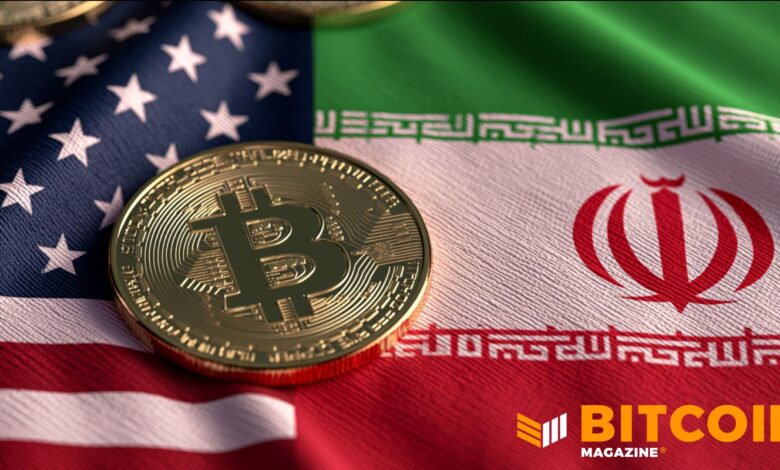
The U.S. this week closed in on Iran, further targeting its crypto-related methods of dodging sanctions in a new economic campaign against the country.
In a Monday announcement, the U.S. Department of the Treasury said it had placed Iran’s digital asset sector under the same sanctions authority it has long used against the country’s oil, banking and metals industries.
The move, as part of Operation Economic Outcast, a campaign against the Islamic Republic dubbed “economic D-Day,” is a first, and a significant escalation in exposure for crypto businesses worldwide.
With the new action, the Office of Foreign Assets Control can sanction any person, regardless of where they are located.
“The Iranian regime increasingly turns to cryptocurrency as a tool of choice for sanctions evasion, supporting transactions linked to the Islamic Revolutionary Guard Corps and Iranian regime insiders,” OFAC said in a statement.
Foreign exchanges, OTC desks, payment processors and infrastructure providers that knowingly facilitate transactions supporting Iran’s digital asset sector are now exposed to designation themselves, along with the loss of access to the U.S. financial system that typically follows.
OFAC also designated members of a group within the Ministry of Intelligence and Security accused of hacking U.S. critical infrastructure on the regime’s behalf and published their wallets.
Group co-leader Behzad Mesri and members Keyvan Fayyaz Ghareh Blagh and Arman Kahzadian each had bitcoin, and other crypto addresses added to the Treasury’s sanctioned list. The three belong to a larger MOIS contingent that has pursued U.S. targets through data theft and intrusions against corporations and government offices.
Bloomberg first reported in May that Iran had started a bitcoin-backed insurance service for Iranian shipping companies.
The U.S. in July said that it had frozen crypto linked to the Iranian regime, mostly in the form of the Tether stablecoin.
Stablecoins like Tether’s USDT can be frozen by the company that issues the asset but bitcoin, being decentralized and having no single issuer, cannot.