


The Largest Crypto Theft on Record

Binance paused withdrawals after a $6.3 billion theft from hot wallets on October 31, 2026, the largest crypto theft on record. Blockchain investigators linked the attack to North Korea. The haul included 18,270 BTC worth approximately $1.4 billion, coming within 442 coins of SpaceX’s disclosed holdings. Chainalysis reports that suspected North Korea-linked attacks caused nearly 89% of this year’s crypto hacking losses, with the average loss per attack rising to $185.65 million.
For crypto casino players and affiliates, this is not just another exchange hack. Binance processes deposits and withdrawals for a significant portion of the crypto gambling industry. When the exchange with the largest global liquidity pauses withdrawals, every casino player with funds on the platform faces the same problem: frozen capital that cannot move to or from gambling operators. That directly affects the income math for anyone treating crypto gambling as a revenue surface.
The attack deployed never-seen-before laundering tactics to conceal the $6.3 billion theft, according to CoinDesk’s coverage of the incident. This raises the complexity floor for recovery and extends the timeline before normal operations resume. Players who rely on fast deposit-to-cashout cycles, affiliates who depend on commission payouts denominated in BTC or stablecoins held at Binance, and VIP players with substantial balances all face the same custody risk they thought they had diversified away from by using a Tier-1 exchange.
Custodial Risk and Casino Deposit Economics
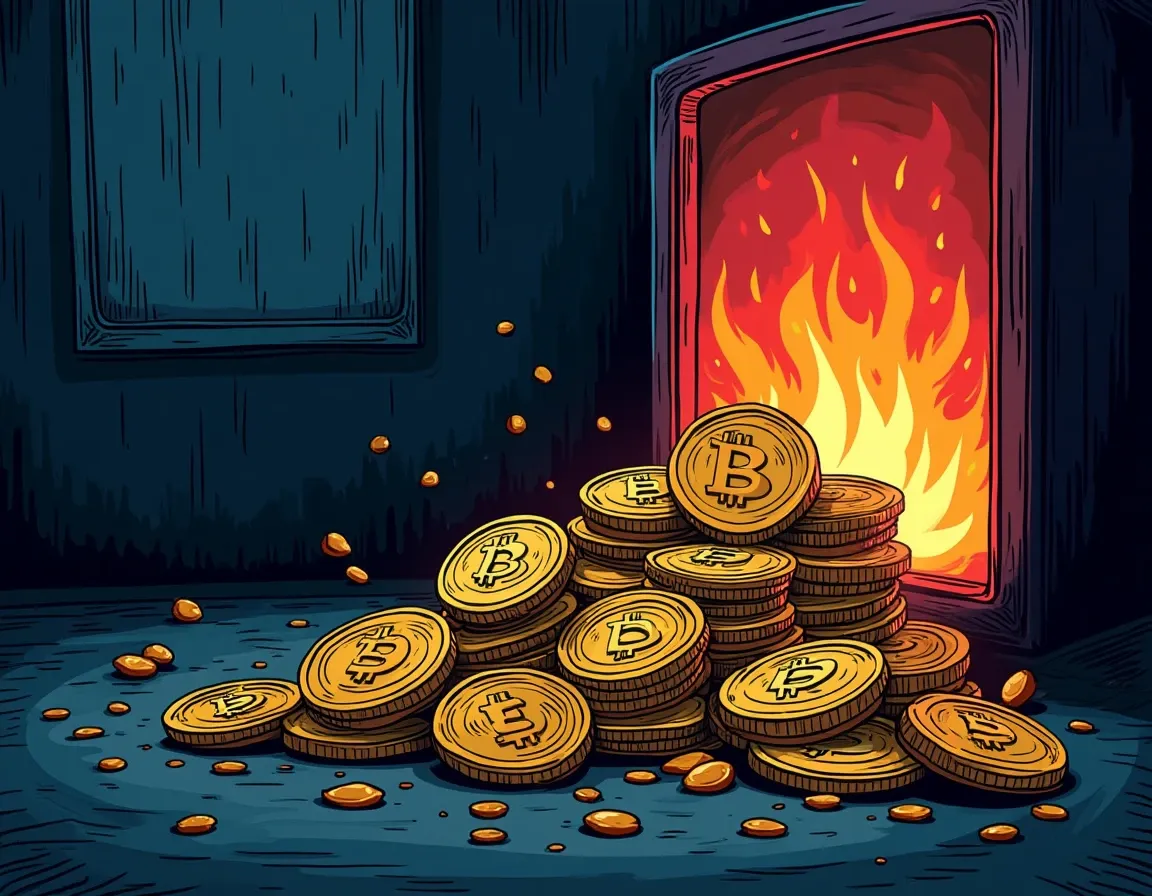
Most crypto casino operators do not custody player deposits themselves. They integrate with exchanges like Binance for liquidity, fiat on-ramps, and player withdrawal infrastructure. When Binance pauses withdrawals, casinos that relied on Binance’s liquidity to process player cashouts face a choice: delay payouts, draw down reserves held elsewhere, or route through alternative exchanges with different fee structures and longer settlement times.
This matters for players treating casino activity as income. If you are a skilled poker player or a sportsbook bettor operating with positive expected value, your income model depends on moving capital efficiently between sessions. A withdrawal pause at the exchange level breaks that cycle. You cannot rebalance between operators. You cannot move winnings off-platform to cold storage. You cannot redeploy capital to the next +EV opportunity. The income surface depends on liquidity, and custodial failure at the exchange layer removes that liquidity entirely.
For affiliates, the disruption is equally direct. Most crypto casino affiliate programs pay commissions in BTC, ETH, or stablecoins. Those payments route through exchanges. If Binance holds your affiliate wallet and withdrawals are paused, your revenue is locked regardless of how much volume your referrals generated. That is not a theoretical risk anymore. It is a realized cost that every affiliate dependent on Binance custody absorbed on October 31.
VIP Programs and Platform Solvency

Crypto casinos with substantial VIP programs often hold player funds in hot wallets for instant cashouts, a feature that differentiates them from traditional operators. High-tier VIP players expect same-block withdrawals. That expectation is built into the income economics of VIP play: you accept lower rakeback percentages in exchange for superior liquidity and withdrawal speed.
When an exchange like Binance experiences a $6.3 billion theft, the immediate question for any casino operator is solvency. If the operator held treasury reserves at Binance to back VIP cashouts, those reserves are now frozen. If the operator used Binance as a liquidity bridge for large withdrawals, that bridge is down. Players with six-figure or seven-figure balances in VIP programs face the same custody risk as retail depositors, but with larger absolute exposure.
This is where licensing matters. Operators licensed under the Malta Gaming Authority or the UK Gambling Commission are required to hold player funds in segregated accounts and maintain solvency ratios. Operators licensed in Curaçao or operating unlicensed face no such requirement. A $6.3 billion exchange hack exposes which operators actually segregated player funds and which were using player deposits as working capital. That distinction is worth real money to anyone with a substantial balance on-platform.
Analysts at Cantor Fitzgerald, TD Cowen, and Compass Point say the hack is unlikely to derail the crypto market’s recovery, but Bitcoin has lost its key $80,000 support and fallen to its lowest level in six weeks. For VIP players whose income depends on stable BTC pricing and liquid markets, a 6% drawdown in underlying collateral value compounds the custodial freeze. Your balance is locked, and the asset denominating that balance is repricing lower. That is a double income hit for anyone operating with leverage or margin in their gambling strategy.
Affiliate Revenue and Commission Structures
Crypto casino affiliate programs typically pay on a RevShare or CPA basis. RevShare affiliates earn a percentage of the net gaming revenue their referrals generate, paid monthly. CPA affiliates earn a fixed commission per first-time depositor. Both models depend on the operator’s ability to process payouts reliably.
When Binance freezes withdrawals, affiliates who selected BTC or USDT as their payout currency face an immediate problem. The commission is earned, but the payout cannot settle. Operators who custody affiliate payments at Binance cannot move funds until withdrawals resume. For affiliates operating on thin margins or running paid acquisition campaigns, a 30-day delay in commission payout is a liquidity crisis. You cannot fund next month’s traffic if this month’s revenue is locked at the exchange layer.
This is not a new risk, but the scale of the Binance hack makes it visible in a way smaller exploits did not. A $6.3 billion theft is large enough to freeze liquidity across the entire industry. Affiliates who diversified payout wallets across multiple exchanges are insulated. Affiliates who consolidated everything at Binance for convenience are not. That is a custody lesson that costs real revenue to learn.
For affiliates considering which exchanges to trust with commission payouts, this incident resets the evaluation criteria. Size and liquidity do not eliminate custodial risk. They just change the scale of the failure when it happens.
What Casino Operators Should Do Now
Every crypto casino operator should be auditing their custodial exposure right now. If your treasury reserves, player deposit wallets, or affiliate payout infrastructure depend on a single exchange, you are carrying concentrated custodial risk that this hack just made visible. Diversification across exchanges, cold storage for long-term reserves, and segregated player funds are not optional infrastructure anymore. They are the baseline for credible operation.
Operators licensed under serious jurisdictions already follow these practices because regulation requires it. Operators in lighter regulatory environments do not, and this hack will separate the two groups in public view. Players and affiliates will ask: where are my funds actually held? The operators who can answer that question with specificity and proof will retain confidence. The operators who cannot will lose deposits and affiliate partnerships to competitors who took custody seriously before the crisis forced the question.
For players, this is a moment to evaluate the custodial practices of every platform you use. If an operator cannot tell you where player funds are held, how withdrawals are processed, and what percentage of reserves are in cold storage versus hot wallets, that is not a platform to trust with serious capital. The income opportunity in crypto gambling depends on the ability to move money in and out reliably. Custodial failure at the operator level ends that opportunity entirely.
The Takeaway
The $6.3 billion Binance hack is a systemic custodial failure that affects every participant in the crypto gambling income surface. Players with balances on-platform, affiliates waiting for commission payouts, and VIP players dependent on instant liquidity all face the same problem: frozen capital at the exchange layer breaks the income cycle. Operators who diversified custodial infrastructure across exchanges and cold storage will resume normal operations faster. Operators who concentrated reserves at Binance will face solvency questions and withdrawal delays. For anyone treating crypto gambling as a revenue surface rather than entertainment, this is the moment to audit where your funds are actually held and whether the operators you trust can prove segregation and solvency. The income math only works when you can move money. Custodial failure removes that assumption entirely.
Frequently Asked Questions
How does the Binance hack affect crypto casino players?
Players who deposit or withdraw through Binance face frozen capital during the withdrawal pause. This breaks the income cycle for skilled players who need to move funds between sessions, rebalance across operators, or move winnings to cold storage. Casino operators that rely on Binance for liquidity may delay payouts or route through alternative exchanges with different fee structures and longer settlement times.
What custodial risks do crypto casino affiliates face after this hack?
Affiliates paid in BTC or USDT through Binance cannot receive commissions while withdrawals are paused. For affiliates running paid acquisition campaigns or operating on thin margins, a 30-day delay in commission payout creates a liquidity crisis. Diversifying payout wallets across multiple exchanges reduces this concentrated custodial risk.
How can players evaluate a crypto casino’s custodial practices?
Ask where player funds are held, how withdrawals are processed, and what percentage of reserves are in cold storage versus hot wallets. Operators licensed under the Malta Gaming Authority or UK Gambling Commission must hold player funds in segregated accounts and maintain solvency ratios. Operators in lighter jurisdictions or unlicensed operators face no such requirement, exposing players to greater custodial risk.
Why does this hack matter more than previous exchange exploits?
At $6.3 billion, this is the largest crypto theft on record and large enough to freeze liquidity across the entire crypto gambling industry. Binance processes deposits and withdrawals for a significant portion of crypto casinos. When the exchange with the largest global liquidity pauses operations, every player, affiliate, and operator using Binance infrastructure faces the same custodial failure simultaneously.
What should crypto casino operators do in response to this hack?
Audit custodial exposure immediately. Diversify treasury reserves, player deposit wallets, and affiliate payout infrastructure across multiple exchanges. Move long-term reserves to cold storage and maintain segregated player funds. Operators who can prove segregation and solvency will retain player and affiliate confidence. Operators who concentrated reserves at a single exchange will face withdrawal delays and solvency questions.
The Weekly Yield Report
You have just reviewed how a $6.3 billion exchange hack disrupts casino deposits, VIP liquidity, and affiliate payouts. Custodial infrastructure and operator solvency standards shift after every major exploit.
Every Thursday: where crypto yield actually is – stablecoins, liquid staking and DeFi lending, with the risk named next to the rate and what changed since last week.
Free. No trade calls, no allocations, no hype. Unsubscribe in one
click.
Source link